Horse Genetics: Breeding Strategies
Inbreeding
What it is: Breeding very closely related horses (e.g., parent to foal, brother to sister).
Why is it used: To “fix” or lock in a particular look or ability (called “type”) so offspring look and perform very similarly.
The risk: Too much inbreeding reduces genetic variety, leading to inbreeding depression — lower fertility, slower growth, more health problems, and higher chance of genetic diseases.
👉 Think of it like photocopying the same picture again and again: you keep the details, but the copy quality gets worse over time.
Line Breeding
What it is: Breeding horses of the same breed that look alike but don’t have close relatives in the recent pedigree.
Why is it used: It’s a compromise — keeps desirable type while avoiding the worst health risks of inbreeding.
Result: Offspring have roughly the same level of inbreeding as the parents, not much higher.
👉 Useful if the breed has enough unrelated bloodlines to work with.
Outbreeding
What it is: Breeding within the same breed (or very similar breeds) but making sure there are no common ancestors.
Why is it used: To bring in genetic variety, even if type isn’t as consistent.
Result: Offspring usually healthier, with more variation in looks and abilities, and a lower inbreeding level than their parents.
👉Think of it as shuffling the deck for a fresh hand of cards
Crossbreeding
What it is: Breeding horses from completely different breeds.
Why is it used: To create hybrid vigour (also called heterosis) — stronger, healthier offspring thanks to maximum genetic variety.
Result: Neither parent’s exact type is preserved, but offspring often show stamina, fertility, and resilience.
👉 Like mixing two recipes to create a new flavour — not exactly either parent dish, but potentially very good.
In short:
Use inbreeding cautiously — it fixes traits but carries risks.
Prefer linebreeding or outbreeding to keep a balance between type and health.
Remember: Mother Nature loves variety — genetic diversity is the fuel for long-term survival.
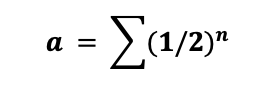
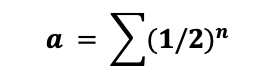
Coefficient of Relation (a)
Definition: A measure of how much DNA two animals share because of common ancestors.
Where:
½ means each parent passes on half its genes.
n = the number of pathways (number of generations) that separate two animals within a pedigree.
∑ = the sum of the calculations for all possible pathways linking the two individuals.
Worked examples:
Parent ↔ child: one step → (½)^1 = 50% shared DNA
Full siblings: two paths (via mother and father), each 2 steps → (½)^2 + (½)^2 = ¼ + ¼ = 50%
Grandparent ↔ grandchild: two steps → (½)^2 = 25%
First cousins: four steps through a shared grandparent → (½)^4 = 1/16 = 6.25% per path. Two paths (one via each grandparent) = 12.5%.
👉 The higher the number, the more related two animals are.
Coefficient of Inbreeding (F or COI)
Definition: A measure of how much genetic variety an individual horse has lost because the parents share common ancestors.
Where:
F = the Coefficient of Inbreeding (COI) for the individual in question.
½ = the genetic contribution of a parent towards its offspring.
n = the number of pathways (number of generations) between a common ancestor and the individual in question.
+1 = an additional factor of (1/2) is added to represent the anticipated loss of genetic diversity due to common ancestors on both maternal and paternal sides of the pedigree.
∑ = the sum of the calculations for each individual ancestor in common.
a = the coefficient of relation between the parents.
Worked examples:
Parent–child mating: Parents share 50% → offspring F = 25% (very high; avoid).
Full siblings mating: Parents share 50% → offspring F = 25% (very high).
First cousins mating: Parents share 12.5% → offspring F = 6.25% (borderline).
Unrelated horses: Parents share 0% → offspring F = 0% (no inbreeding).
👉 Rule of thumb: Every 1% increase in F = about 1% drop in performance traits like fertility or survival.
Under 5% = ideal.
5–10% = manageable, but watch for problems.
Above 10% = risky.
12.5%+ = incest level; don’t do it.


The Transatlantic Rocky Mountain Horse Club
Promoting the Rocky Mountain Horse®
across Europe.
© 2025. All rights reserved.
Designed by clarity@2am